
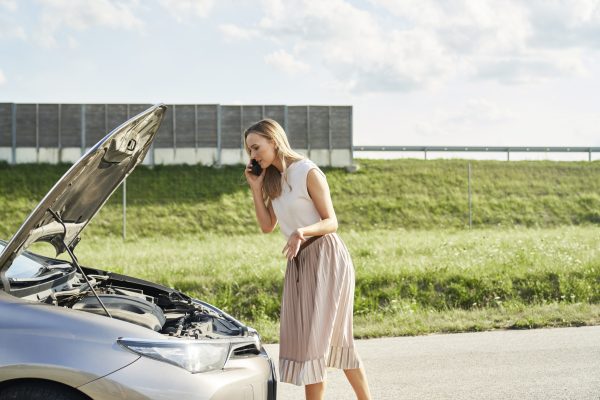
WHAT TO DO IF YOUR CAR BREAKS DOWN ON THE HIGHWAY
Car broke down on the highway? Learn exactly what to do next to stay safe, avoid danger, and get fast help from Federal Auto Service and Towing. Serving NJ, NY, MA & Long Island.
First Things First – Stay Calm
A vehicle breakdown on a highway is stressful, especially at high speeds or at night — but staying calm is the key to handling it safely. Your #1 priority is personal safety, then protecting your vehicle.
Step 1: Get to the Right Shoulder
-Turn on your hazard lights immediately.
-If the vehicle is still rolling, safely steer to the far right side of the road.
-Avoid stopping on a curve, hill, or under a bridge where visibility is low.
-If you’re on a multi-lane highway, try to exit if you’re close to a ramp.
Never stop in the middle lane, unless your car is completely disabled.
Step 2: Make Yourself Visible
Once you’ve pulled over:
-Keep your hazards flashing.
-Pop the hood – it's a universal sign of vehicle trouble.
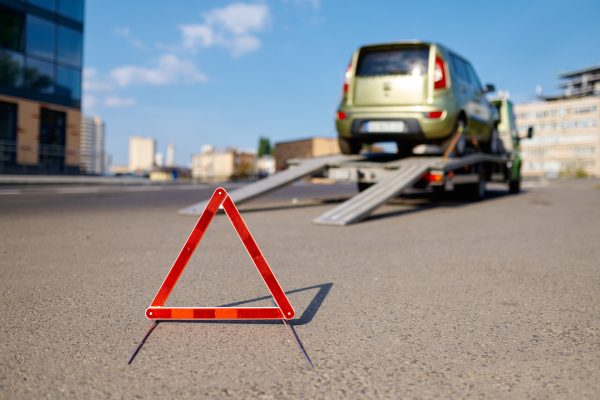
-If it's safe, place emergency triangles or road flares behind your car (if you have them).
Step 3: Call for Professional Help
Call a 24/7 roadside service like Federal Auto Service and Towing right away.
We respond fast anywhere in:
✅ New Jersey
✅ New York (including NYC & Upstate)
✅ Massachusetts
✅ Long Island
Give us this info:
-Your exact location (Mile marker or exit, if possible)
-Your vehicle type
-The issue (flat tire, engine failure, overheating, etc.)
-Whether you're in a dangerous or exposed spot
Step 4: Stay Inside (Unless Unsafe)
It’s usually safest to stay inside your vehicle with seatbelt fastened — especially on high-speed highways. Only exit if:
-There is smoke or fire
-You’re in a dangerous spot, like a blind curve or middle lane
Never try to fix the car on the shoulder of a busy highway unless you're a trained professional.
Step 5: Wait for Help – Don’t Flag Strangers
We know it’s tempting to accept help from passing drivers, but for your safety:
-Wait for licensed towing professionals
-Keep your doors locked
-Answer calls/texts only from your towing dispatcher
What Happens When We Arrive
When Federal Auto Service and Towing gets to you, we’ll:
-Secure the scene with proper lighting & cones
-Assess the situation
-Either perform on-site assistance (fuel, jumpstart, tire, etc.)
-Or tow your vehicle safely to your home, mechanic, or our shop
Pro Tips to Avoid Future Breakdowns:
-Get regular oil changes & inspections
-Check your battery before long trips
-Keep spare tire, jumper cables, and triangle kit in your trunk
-Don’t ignore the check engine light
SIGNS YOUR VEHICLE NEEDS A TOW – NOT JUST A JUMPSTART
Not sure if your car needs a jumpstart or a tow? Learn the key signs that your vehicle needs towing — from Federal Auto Service and Towing. Serving NJ, NY, MA & Long Island.
Jumpstart or Tow? Don’t Guess — Know the Signs
It’s common to assume a dead battery is the problem when your car won’t start. But in many cases, a jumpstart won’t fix the issue, and trying again and again can waste time — or damage your vehicle.
At Federal Auto Service and Towing, we want you to know the difference so you can get the right help fast.
When a Jumpstart Might Work
A jumpstart could be enough if:
-Your lights/dash are dim or off
-The car clicks but doesn’t turn over
-You recently left lights or electronics on
-The battery is old or hasn’t been driven much
In these cases, our roadside team can jump your car on-site and test the battery.
Signs You Need a Tow – Not a Jumpstart
1️⃣ You Hear Strange Noises (Grinding, Whining, or Silence)
If your car makes odd mechanical sounds or no sound at all — it’s likely more than the battery. You could be dealing with a starter or alternator failure.
2️⃣ The Engine Cranks, But Won’t Start
If the car tries to start but never turns over, the issue could be with the fuel system, ignition, or electrical components — not the battery.
-You’ll need a tow to a mechanic.
3️⃣ You Smell Burning or See Smoke
If there's a burning smell, smoke, or the hood is hot to the touch, STOP. This could be an electrical short, overheating, or engine damage. Jumpstarting could make it worse.
4️⃣ The Battery Was Recently Replaced
If you know your battery is new and the car still won’t start, the issue likely lies with the alternator, wiring, or starter motor.
5️⃣ Dashboard Lights Flash or Glitch
If lights flash erratically or the dash resets, it could be a computer issue, not just a weak battery. This often requires diagnostic tools — and a tow.
6️⃣ You’ve Tried to Jump It — and Nothing Changed
Tried a jumpstart already? Still won’t turn on? Don’t keep trying — this can fry your electrical system.
-Call a towing professional to prevent further damage.
Bonus: When Safety Is the Priority
Even if you think it's a battery issue, you should request a tow if:
-You’re stuck on a highway or blind corner
-It’s dark, unsafe, or bad weather
-You’re unsure of the problem
What We Can Do at Federal Auto
When you call us, we’ll come equipped to:
-Test your battery and alternator
-Attempt a safe jumpstart
-If needed, perform a professional tow to your home, shop, or location of choice
-Speak in English or Spanish
-Respond anywhere in New Jersey, New York, Massachusetts, or Long Island
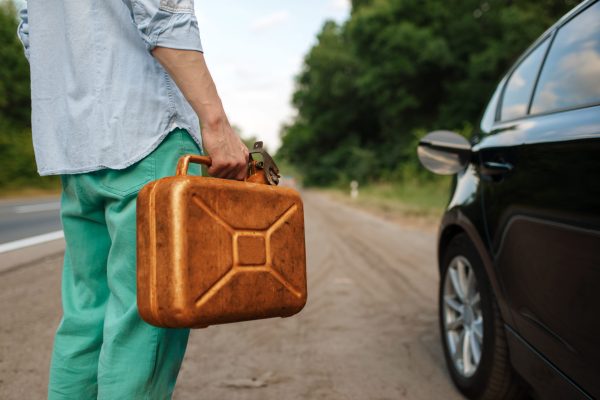
FUEL-SAVING TIPS FOR LONG-DISTANCE DRIVERS
Want better gas mileage on long trips? Discover expert fuel-saving tips from Federal Auto Service and Towing. Cut fuel costs and drive smarter across NJ, NY, MA & Long Island.
Planning a Long Trip? Don’t Overpay at the Pump.
Whether you're a delivery driver, a rideshare worker, a long-distance commuter, or just heading out on a road trip, fuel efficiency can make a big difference to your wallet — and your vehicle’s health.
At Federal Auto Service and Towing, we serve thousands of drivers on the road every year — and we know the habits that help you save gas and prevent breakdowns.
🔟 Top 10 Fuel-Saving Tips for Long-Distance Drivers
1️⃣ Keep Your Tires Properly Inflated
Low tire pressure causes your engine to work harder.
✅ Check PSI before every trip — especially in summer or winter.
Bonus Tip: Use nitrogen-filled tires for more consistent pressure.
2️⃣ Use Cruise Control on Highways
Cruise control reduces unnecessary acceleration and helps maintain a steady speed — saving fuel over long stretches.
3️⃣ Avoid Rapid Acceleration & Hard Braking
Driving aggressively wastes fuel. Ease into speed and brake slowly to improve gas mileage by up to 30%.
4️⃣ Lighten Your Load
Remove unnecessary tools, bags, or cargo from your trunk. Extra weight = extra fuel burned, especially in smaller cars or vans.
5️⃣ Don’t Let Your Car Idle Too Long
Idling for more than 1 minute burns more gas than restarting your engine. Turn off the engine if you're parked or waiting.
6️⃣ Plan Smart Routes
Avoid traffic-prone areas, road closures, or constant stoplights. Apps like Google Maps or Waze can help you find fuel-efficient routes.
7️⃣ Limit A/C Use at High Speeds
Running the air conditioning at full blast on highways increases fuel use. Use vent settings or open windows at lower speeds.
8️⃣ Keep Up with Regular Maintenance
Dirty air filters, old spark plugs, or bad oil can lower fuel efficiency. Stay on top of your oil changes and engine tune-ups.
Need a mechanic on the road? We offer mobile service in NJ, NY, MA & Long Island.
9️⃣ Drive the Speed Limit
Fuel efficiency drops sharply above 65 mph. Slowing down even 5–10 mph on the highway can save you gallons over long trips.
🔟 Use the Right Fuel Type
Always use the fuel type recommended by your vehicle’s manufacturer. Premium fuel doesn’t help unless your engine requires it.
© 2025 Copyright All rights reserved by federaltowingservice.